This topic highlights how interior design is transforming spaces to be more environmentally responsible while improving human comfort and well-being.
In 2026, sustainable interiors are no longer just a design trend. They are a necessity. Interior designers now focus on creating spaces that reduce environmental impact, save energy, and support healthier lifestyles. Sustainable interior design combines beauty with responsibility, ensuring that every design decision contributes positively to both people and the planet.
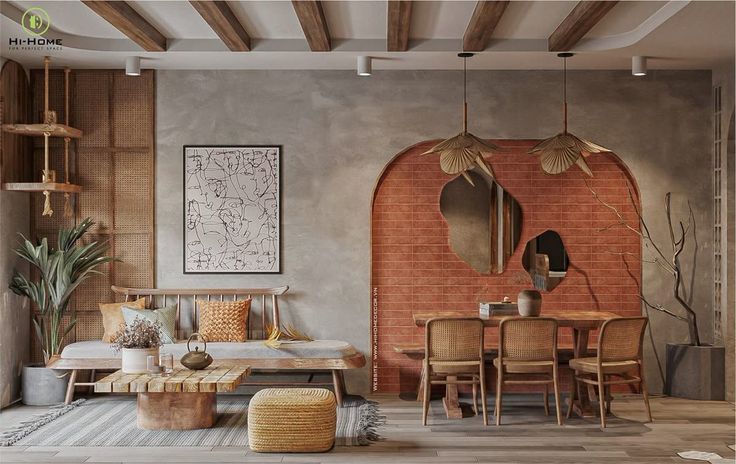
The first important aspect of sustainable interiors is material selection. Designers prefer eco-friendly materials such as bamboo, reclaimed wood, cork, recycled metal, and low-VOC paints and finishes. These materials help reduce pollution and improve indoor air quality. Locally sourced materials are also encouraged because they reduce transportation emissions and support local industries and craftsmanship.
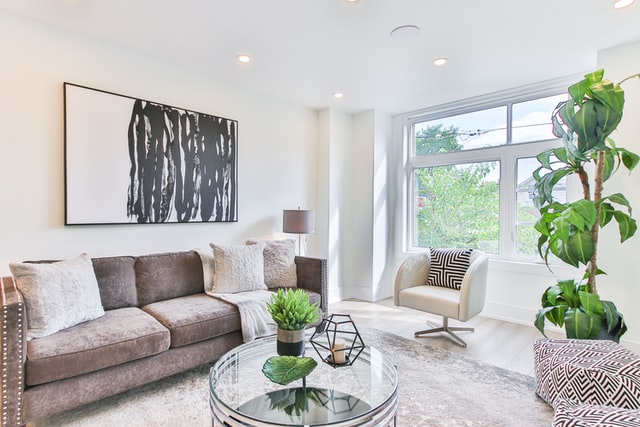
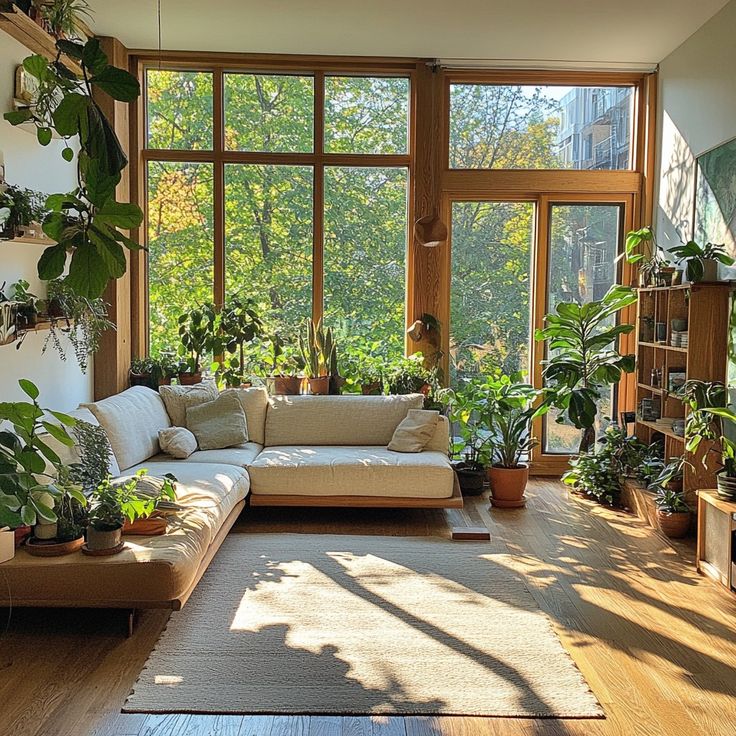
The second key element is energy-efficient design. Natural daylight is maximized through open layouts, larger windows, and reflective surfaces. LED lighting and smart control systems help reduce electricity consumption.
Interior designers work closely with engineers to integrate energy-efficient appliances, smart thermostats, and passive cooling strategies into their design plans. This approach not only saves energy but also creates comfortable living and working environments.
Another major principle is biophilic design, which focuses on connecting people with nature inside interior spaces. Indoor plants, green walls, natural textures, and organic forms are commonly used to reduce stress and improve mental well-being. Materials such as wood, stone, and clay create warm and calming environments. In 2026, sustainable interiors are designed to support both physical and emotional health.
Circular design and furniture longevity are also essential in sustainable interiors. Designers now promote modular furniture, adaptable layouts, and reusable materials. Instead of following short-term trends, the focus is on timeless design and multifunctional furniture that can be repaired or reused. Upcycled and refurbished furniture pieces are becoming popular as they reduce waste and preserve valuable resources.
Water conservation and healthy living are equally important. Sustainable interiors include low-flow faucets, dual-flush toilets, and sensor-based water systems.
Natural fabrics such as cotton, linen, and wool are preferred over synthetic materials. Good ventilation and air-purifying systems help maintain clean and healthy indoor environments for occupants.
To conclude, the ultimate 2026 guide to sustainable interiors shows us that interior design is no longer only about visual appeal. It is about responsibility, innovation, and long-term thinking.
By using eco-friendly materials, embracing energy efficiency, and adopting biophilic and circular design principles, interior designers can create spaces that are functional, beautiful, and environmentally intelligent.
Sustainable interiors represent the future of design — where creativity meets care for the planet. As designers and users of space, we all share the responsibility to build a greener, healthier world through thoughtful interior design choices.